
When it comes to designing and constructing a retail building, there are many crucial factors to consider in creating a space that not only meets the needs of the clients but also attracts and retains customers. From the location of the retail space to the amount of foot traffic it receives, each element plays a vital role in the success of the building. In this article, we will discuss the key considerations that architects and builders must keep in mind when designing and constructing a retail building.
Location of the Retail Space
One of the first considerations when designing a retail building is the location of the space. Different climatic conditions can have a significant impact on the design and construction of the building. For example, in a cold climate, the building may require additional insulation and heating systems to ensure customer comfort. In a warm climate, on the other hand, the focus may be on natural ventilation and shading to keep the interior cool.
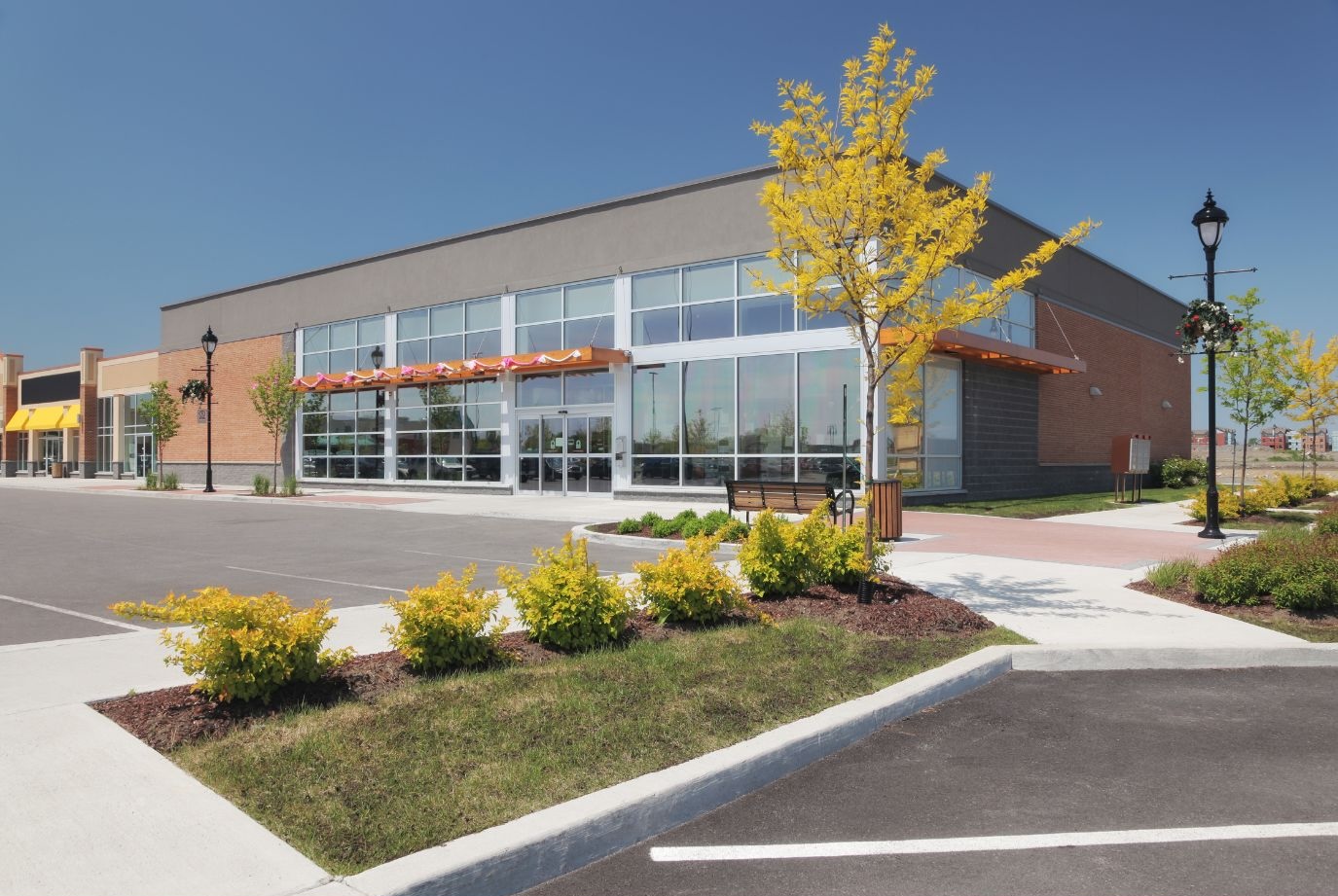
The location of the retail space also includes whether it is situated in a small town or a busy city. Urban settings may require innovative design solutions to make the most of limited space, while suburban locations may offer more room for parking and other amenities. Additionally, the proximity to other retail stores and the flow of foot traffic can influence the layout and design of the building.
Volume of Customers in a Store
The number of customers browsing in a store at any given time is another important consideration when designing a retail building. A high-traffic store with a constant flow of customers will require wide aisles, ample display space, and efficient checkout counters to accommodate a large number of shoppers. On the other hand, a store with fewer customers who tend to spend less time browsing may focus more on creating a cozy and intimate atmosphere.
Parking
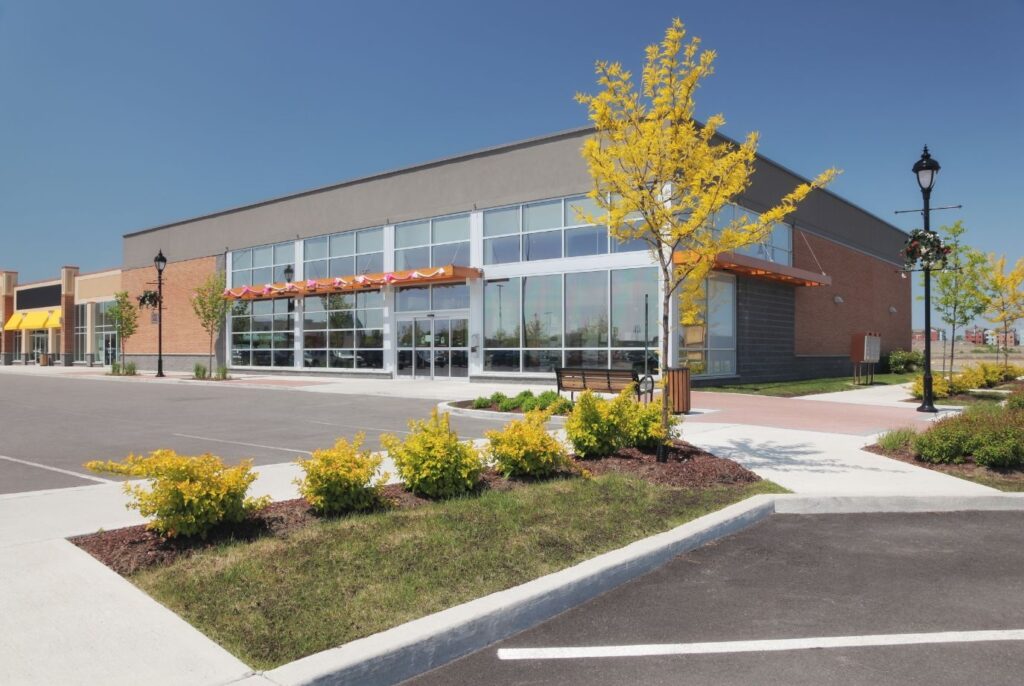
Parking is a crucial aspect of retail building design, especially in areas where customers depend on cars to reach the location. Designers must consider whether to set aside a portion of the property for parking or if parking can be provided by a shared parking plaza. The ease of access and availability of parking can have a significant impact on the success of a retail store, as customers are more likely to visit a store that offers convenient parking options.

Natural Landscape
The natural landscape surrounding the retail building must also be considered during the design and construction process. The size and shape of the lot, as well as the topography of the land, can influence the layout of the building and the overall aesthetic appeal. Designers may need to work around existing natural features such as trees, hills, or bodies of water to create a harmonious design that integrates seamlessly with the environment. Designing and constructing a retail building involves a myriad of considerations, from the location of the space to the number of customers it attracts. By carefully analyzing these factors and incorporating them into the design process, architects and builders can create a retail building that not only meets the functional needs of the clients but also enhances the shopping experience for customers. Whether it’s ensuring ample parking, optimizing the layout for high foot traffic, or integrating natural features into the design, every detail plays a crucial role in the success of a retail building. By paying attention to these considerations, architects and builders can create retail spaces that are both functional and visually appealing, ultimately setting the stage for a successful retail experience.