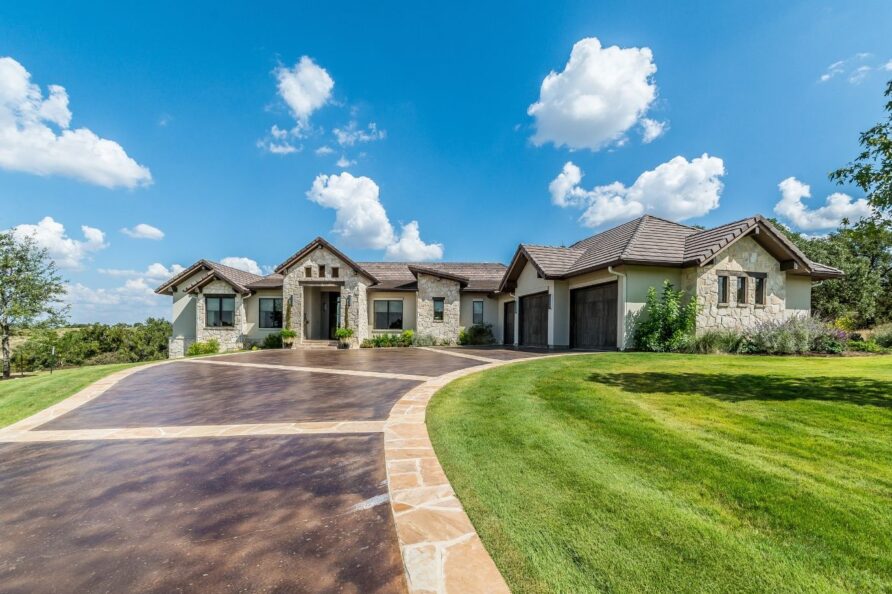
When running a retail business, many factors contribute to its success – from the products being sold to the customer service provided. However, one aspect that is often overlooked but can significantly impact the overall appeal and success of a retail establishment is landscaping. Good landscaping creates a professional and inviting look for a building or any establishment, attracting customers and strengthening business. In contrast, unattractive landscaping can deter potential customers. Continue reading as we explore the importance of landscaping in retail businesses and discuss the factors to consider when designing the landscape for a retail building.
Importance of Landscaping
Landscaping can be a crucial element in the success of a retail business. The first impression customers get when approaching a retail establishment can greatly influence their decision to enter the store. A well-designed landscape can create a positive and welcoming atmosphere, drawing customers in. On the other hand, poor landscaping can make a retail building appear neglected or uninviting, driving customers away. Therefore, investing in quality landscaping can provide a good return on investment for a business.
Considerations in Landscape Design
Several factors should be taken into consideration when designing the landscape for a retail building.
Type of Vegetation
It’s essential to evaluate the existing vegetation on the property and determine what can remain. In some cases, mature trees or shrubs may enhance the landscape and can be incorporated into the design.
Land for Landscape Design
Determine the amount of land that can be used for landscaping. While a significant portion of the land is typically designated for the building, parking, and walkways, any remaining space can be utilized for landscaping. This includes areas such as entranceways, walk paths, and green spaces that can enhance the overall appeal of the building.
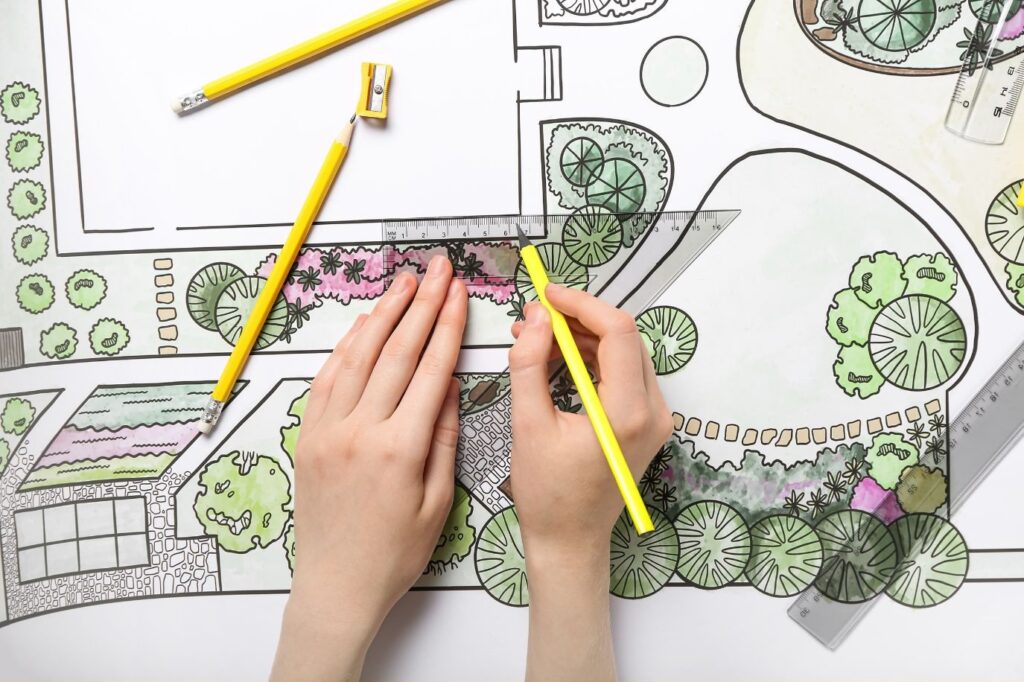
Grounds for the Landscape
Consider the purpose of the grounds and whether there are opportunities to add additional features like patios, retaining walls, or border walls. The choice of vegetation to plant will vary depending on how the outdoor space will be used. For instance, if there is a plan to create a seating area for customers, planting shade trees or ornamental plants can enhance the space and create a more enjoyable environment.
Neighborhood
The presence of neighbors should also be considered when designing the landscape for a retail building. Depending on the proximity of adjacent properties, it may be necessary to plant bushes or trees strategically to provide privacy or block unwanted views or noise.
Native Plants
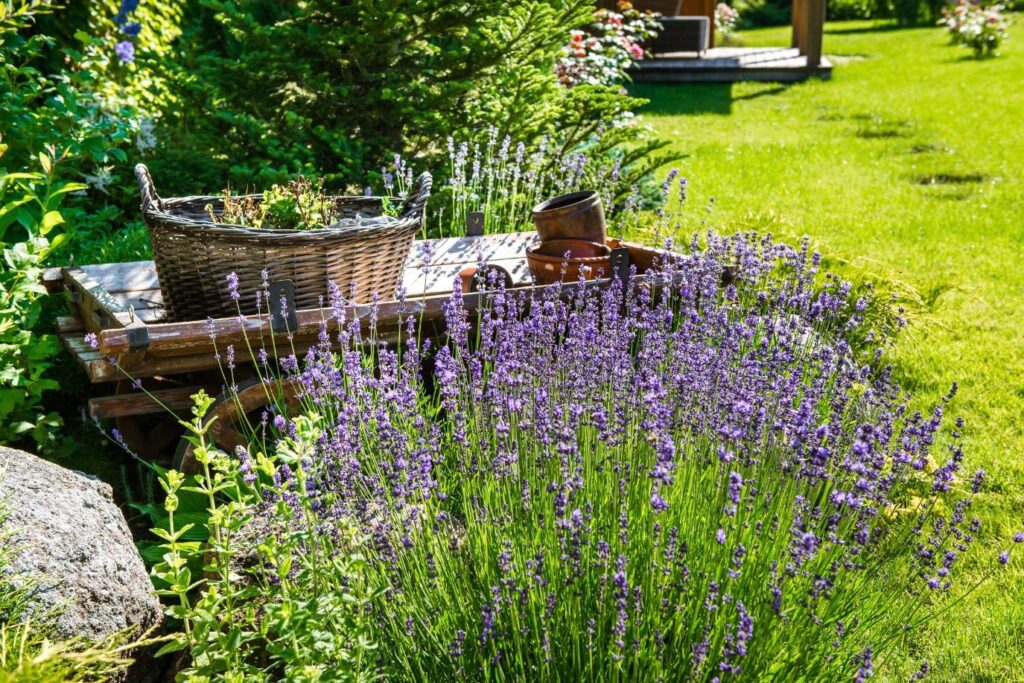
Native plants are another important consideration in landscape design. Native plants are well-adapted to the local climate and soil conditions, making them easier to maintain and more environmentally friendly. By incorporating native plants into the landscape design, businesses can create a sustainable and attractive outdoor environment.
Being thoughtful with landscape design can add significant value to a retail business and enhance the overall experience for customers. While landscaping is often overlooked by businesses, it can be a relatively simple and cost-effective way to improve the aesthetics and appeal of a retail building. By working with a professional landscape designer and considering the factors mentioned above, retail businesses can create a welcoming and attractive outdoor space that sets them apart from the competition.
Overall, the landscape design for a retail building plays a crucial role in attracting customers and creating a positive impression. With careful consideration of factors such as existing vegetation, land usage, outdoor activities, neighbor relationships, and native plants, businesses can enhance their appeal and create a more inviting environment. Investing in quality landscaping can pay off in the long run, leading to increased foot traffic and improved customer satisfaction.