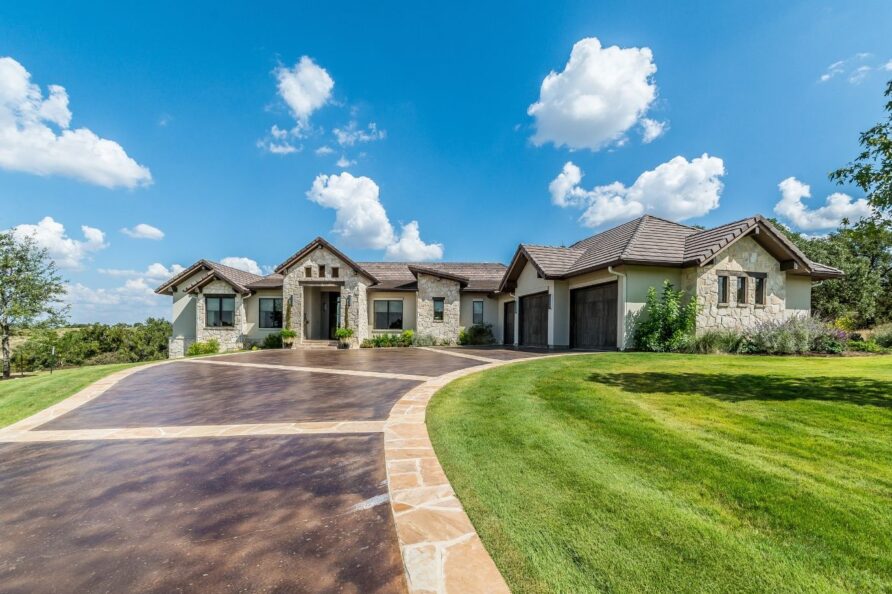
The placement and preservation of mature trees is a critical yet sometimes overlooked factor in the success of both commercial and residential new construction projects. Our experience has proven that thoughtful tree management, not just the addition of new landscaping, but also the strategic retention or removal of existing mature trees. Mature trees profoundly shape outcomes for property value, sustainability, client satisfaction, and environmental responsibility.
The Environmental and Economic Value of Mature Trees
Mature trees are invaluable assets on any site. Their expansive canopies provide natural shade, reducing cooling expenses for both homes and commercial buildings. Studies show that strategic tree placement can cut air conditioning costs by up to 30%, a benefit that compounds over time and supports sustainability goals. Beyond economics, large trees reduce stormwater runoff, mitigate erosion, and foster wildlife habitats, contributing to the biodiversity and ecological balance of the property.
For residential clients, mature trees help establish a welcoming sense of place, softening hard building lines and enhancing curb appeal. Commercial clients see similar value, as properties with mature trees are often more attractive to tenants and customers alike, signaling foresight and environmental stewardship.
Strategic Location: More Than Just Shade
From the perspective of design and construction, where mature trees are located matters as much as whether they exist at all. Trees south or west of a building can drastically cut solar gain, effectively lowering the internal temperature in summer. Trees planted near parking areas can lower surface temperatures, reducing heat islands that elevate cooling costs and diminish comfort for guests and employees.
On the other hand, trees too close to a structure can threaten foundations, infiltrate sewer lines, or shade out valuable solar panels. In our practice, site analysis always includes mapping root zones and canopies alongside planned building footprints. Sometimes, relocating a floor plan or driveway entrance just a few yards allows for preservation of a heritage oak or stately pine without compromising safety, infrastructure, or future maintenance costs.
We typically work with expert arborists to develop a strategy and action plan. Located on the South Shore in Massachusetts, our most trusted tree removal company in Weymouth provides us with excellent and careful service. South Shore Tree Service Experts are our primary source of expertise and work.
Preservation Versus Removal: A Delicate Balance
Not all mature trees should be preserved. Some may be diseased, structurally unsound, or located in the direct path of necessary construction. However, arbitrary or excessive removal can irreparably alter a site’s character, increase erosion risks, and spark community resistance or regulatory challenges.
Our approach is deliberate. Before breaking ground, we work with certified arborists to assess each tree’s health and potential, considering which specimens anchor the natural landscape, where roots may challenge foundations, and how construction will alter water and nutrient patterns. We aim to protect high-value trees with fencing during construction, minimize soil compaction, and carefully direct grading and drainage to avoid root disturbance. However, there are times when there is no other option than removing mature trees.
Integrating New Landscape Design
Of course, every construction project inevitably involves planting new trees to screen, provide shade, restore habitat, or simply beautify the grounds. Species selection and location are very important. Fast-growing natives are often used for quick impact, but we balance them with slower-growing, long-lived species that will mature into future signature trees. Placement is calculated to maximize summer shade, buffer wind, and frame site views without encroaching on structures or utility lines in decades to come.
Modern landscape design also incorporates principles like right-tree-right-place, ensuring roots won’t damage sidewalks or foundations and that tree form suits the intended space and use. For example, low-branching evergreens serve as privacy screens for homes, while larger-canopied hardwoods provide generous cooling shade for plazas and playgrounds.
Final Thoughts on Trees within New Construction Projects
For architects and builders, the location and selection of mature trees should not merely be an afterthought. It is a core part of responsible design and construction that influences aesthetics, comfort, cost efficiency, and environmental stewardship. Whether preserving a legacy oak or planting the next generation of canopy trees, our commitment is to build not just for today, but with a living landscape that endures and thrives for years to come.