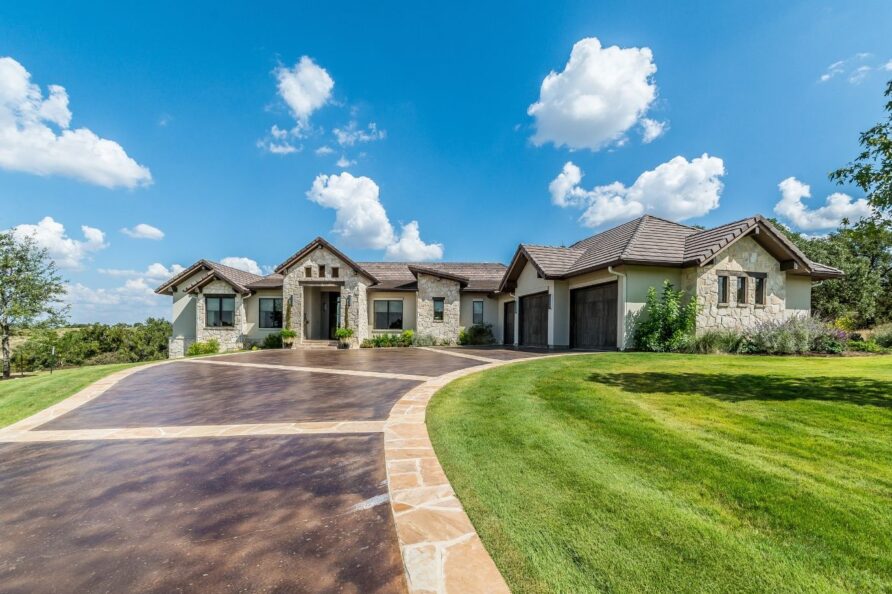
When you walk into a retail store, what catches your eye first? The beautifully displayed merchandise, the well-designed layout, and the overall ambiance of the space – are all part of what we call the Front of House.
The Front of the House is where customers interact, make purchases, and form their impressions of a store. But have you ever wondered what happens behind the scenes in a retail store? That’s the Back of the House, the area reserved for employees to work behind closed doors. In this article, we will delve into the world of Back of House design for retail stores, exploring its significance and key considerations.
Front of House vs Back of House
Before we delve into Back of House design specifics, let’s first understand the difference between Front of House and Back of House. The Front of House is where customers have direct interaction with the store – it includes the sales floor, display areas, and checkout counters. On the other hand, the Back of House is the area where customers are not allowed, and only employees can access it. This includes spaces like offices, storage rooms, break areas, and employee entrances.
While the design of the Front of House is crucial for customer satisfaction and engagement, the Back of House is equally important for the functionality and efficiency of the employees. Unlike the Front of House, which focuses on aesthetics and customer experience, the Back of House should prioritize meeting the practical needs of the employees.
Back of House Areas in Need of Design
When designing the Back of the House, several key areas need to be considered.
Employees as Top Priority
First and foremost, the needs of employees should be the top priority. Employees should be able to perform their jobs efficiently, safely, and comfortably. This means providing them with adequate workspace, ergonomic furniture, and proper lighting to enhance productivity.
Storage Areas
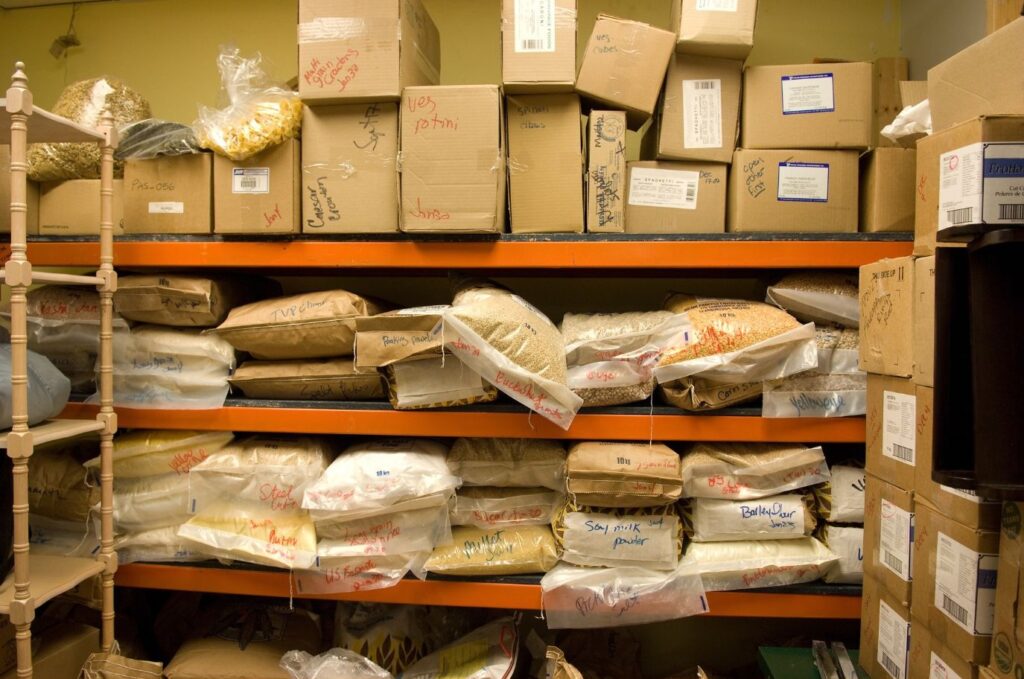
Storage areas are another crucial aspect of Back of House design. These areas need to be designed to be spacious enough for employees to perform their tasks, without taking up valuable square footage that could be used for other purposes. Safety and efficiency should be the focus when planning storage spaces, ensuring that items are organized and easily accessible.
Restrooms
Restrooms are critical in the Back of House as well. It’s essential to have the appropriate number of restrooms based on the number of employees working in the store. Providing clean and well-maintained restroom facilities is essential for the comfort and well-being of employees.
Office Space
Office space is another key consideration for Back of House design. Managers and administrative staff require private areas to conduct meetings, handle paperwork, and store sensitive information. Creating a functional and organized office space is crucial for the smooth operation of the store.
Employee Entrances
Employee entrances are often overlooked in retail store design, but they play a significant role in the efficiency of operations. Employees need to have a separate entrance in the Back of House to access the store without disrupting customers. Additionally, having a designated area for accepting shipments and deliveries helps streamline the process without causing any inconvenience to shoppers.
Cleaning Supply Closets
Cleaning supply closets may seem like a minor detail, but they are essential for maintaining a clean and organized store. Having a designated area to store cleaning supplies ensures that the store and Back of House always remain tidy and presentable.
When it comes to designing a retail store, much emphasis is placed on the Front of House to create a captivating and engaging environment for customers. However, it’s crucial not to overlook the importance of Back of House design. The Back of House is where the operational aspects of the business take place, and it’s essential to create a functional and efficient space for employees to work comfortably.
The design of the Back of House is just as critical as the Front of House in ensuring the success of a retail store. By considering the specific needs of employees and creating well-thought-out spaces for storage, restrooms, offices, employee entrances, and cleaning supplies, retailers can enhance efficiency, productivity, and overall satisfaction in the workplace. So, the next time you step into a retail store, remember that there’s a whole world behind the scenes that contributes to your shopping experience.